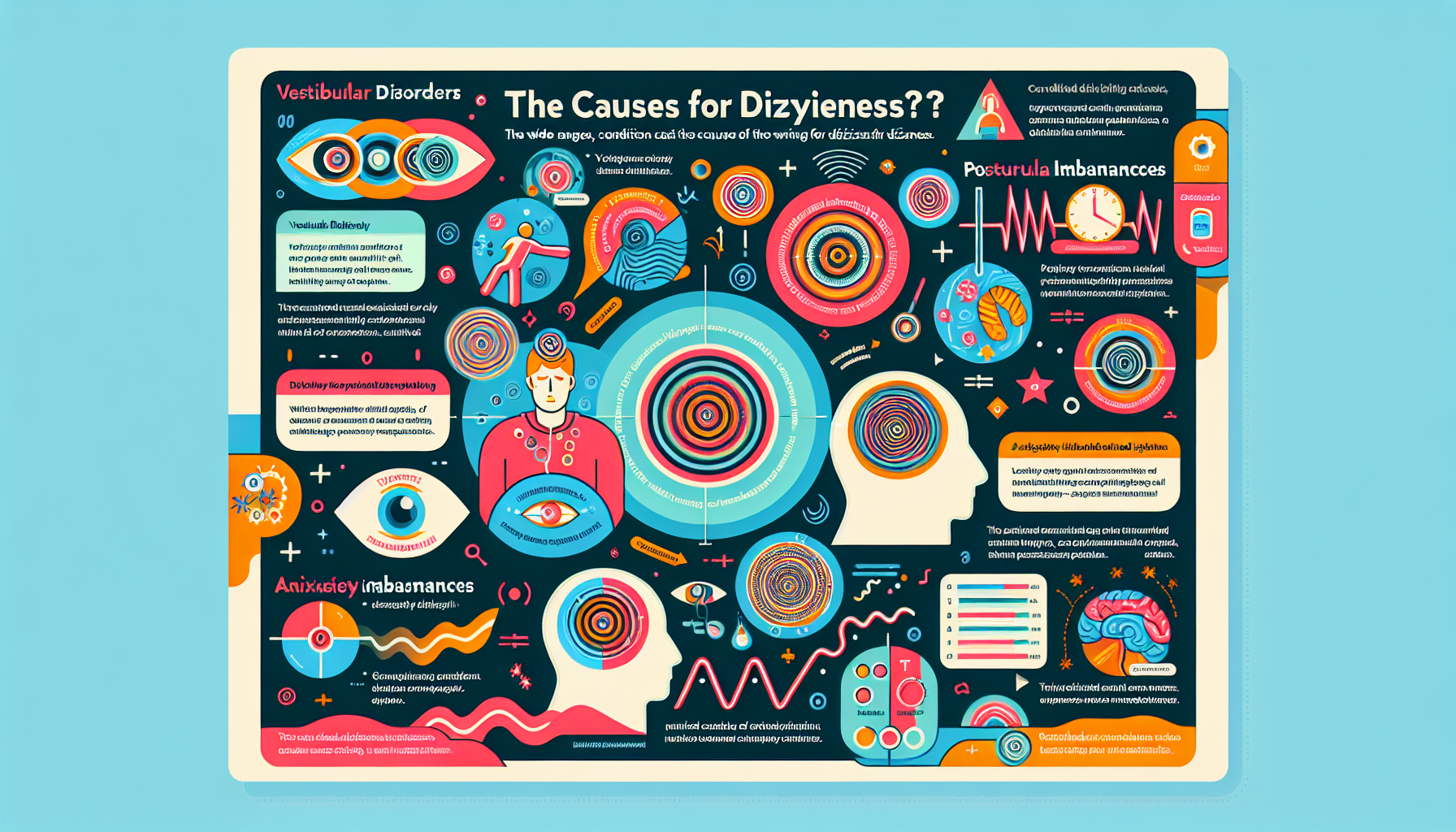
Dizziness can often feel overwhelming, impacting daily activities and overall quality of life. Understanding the underlying causes of dizziness is crucial for effective treatment and management. At Pulse Align, we adopt a comprehensive approach that focuses on balance restoration and promotes health and wellness through innovative techniques. By exploring the multifaceted nature of dizziness, including its connection to stress, anxiety, and various health conditions, we uncover effective strategies to reclaim equilibrium. Whether you are seeking dizziness treatment or want to enhance your well-being, our holistic solutions offer real hope and tangible relief.
Understanding Dizziness: Causes and Implications
Dizziness is a symptom that can manifest in a multitude of ways—ranging from lightheadedness to spinning sensations known as vertigo. Recognizing the precise cause of dizziness is essential for developing effective treatment protocols. In many cases, issues such as vestibular disorders, postural imbalances, and even chronic stress play significant roles in the onset of dizziness.
Diving into Vestibular Disorders
One major factor to consider when exploring dizziness is the impact of vestibular disorders. Conditions such as benign paroxysmal positional vertigo (BPPV) or vestibular neuritis can disrupt the inner ear’s function, leading to balance issues. This disruption can often generate the spinning sensation that many patients report. Effective vertigo management should therefore focus on addressing these sensory discrepancies.
At Pulse Align, we implement specialized vestibular rehabilitation techniques tailored to each patient’s needs. These approaches include exercises that help the body recalibrate and regain its natural equilibrium. Such a comprehensive dizziness solution not only aids in recovery but also fosters awareness of the importance of maintaining good vestibular health.
Postural and Neurological Factors
Poor posture is another common underlying cause of dizziness that is frequently overlooked. When individuals maintain incorrect postural alignments, it can create tension in the neck and upper back, leading to further complications in balance. Our approach at Pulse Align emphasizes improving posture as a way to enhance balance and reduce dizziness incidence.
On a neurological level, conditions affecting the nervous system can also induce feelings of dizziness. Stress and anxiety can amplify these feelings, creating a vicious cycle that exacerbates symptoms. Understanding this connection between mental health and dizziness is critical. Our treatment protocols incorporate mindfulness and relaxation techniques to combat anxiety, consequently reducing feelings of dizziness.
Pulse Align’s Holistic Approach to Dizziness Recovery
Our goal at Pulse Align is to provide a comprehensive dizziness solution that navigates the intricacies of each individual’s experience. By addressing the root causes of dizziness through holistic means, we foster recovery in a supportive and nurturing environment.
Postural Recalibration Techniques
Postural recalibration is fundamental in our approach to restoring balance. Techniques involve exercises designed to enhance muscle tone while correcting misalignments. By fostering symmetrical muscle development, we support the body’s natural ability to restore its equilibrium.
Integrating core-strengthening exercises into your routine is a vital component of this journey. Simple activities can lessen the risk of dizziness after standing or sudden movements. Our team encourages individuals to practice these strategies at home, applying insights gained from our sessions to create a routine that promotes overall health and wellness.
The Role of Natural Remedies in Dizziness Prevention
Many individuals seek home remedies to alleviate dizziness symptoms. Simple practices such as adequate hydration, balanced nutrition, and breathing exercises can create a well-rounded lifestyle that contributes to dizziness prevention. Incorporating natural remedies alongside professional rehabilitation techniques provides a layered approach to health and wellness.
Client Experiences and Transformational Stories
One of the most fulfilling aspects of our work at Pulse Align is hearing the success stories of our clients. Individuals from various backgrounds have shared their journeys of transformation, noting significant improvements after utilizing our services.
Clients frequently express how our holistic methods have helped them regain their balance. For example, one client from Saint-Jérôme stated, “I had been dealing with incessant dizziness for months. After working with Pulse Align, I can now confidently move through my day-to-day life!”
This testimony and many others highlight the effectiveness of our approach. A collaborative atmosphere allows patients to feel empowered and supported as they embark on their journey toward wellness.
Complementary Lifestyle Considerations for Better Equilibrium
Cultivating a lifestyle that minimizes the occurrence of dizziness involves considering several factors. At Pulse Align, we educate our clients on implementing effective dizziness treatment strategies in their daily routines.
Staying well-hydrated is paramount! Dehydration can lead to low blood pressure, a common trigger for dizziness. Therefore, integrating adequate water intake throughout the day is essential for overall wellness. Pairing this with a balanced diet that includes vitamins and minerals will set a strong foundation for health.
Our team at Pulse Align often discusses dietary strategies with clients. Ensuring a diet rich in magnesium, potassium, and vitamin D can support inner ear function and contribute positively to maintaining balance.
Physical Activity and Movement
Engaging in regular physical activity can significantly enhance stability. Exercise improves muscle tone and coordination while allowing the body to adapt better to changing environments. Simple practices such as yoga or tai chi can offer grounding techniques that ease tension and promote mindfulness in body movements.
Incorporating these activities into your weekly schedule, alongside the targeted treatments provided by Pulse Align, lays down an effective framework for equilibrium recovery.
Seeking Support and Continuous Improvement
When dealing with persistent dizziness, it’s crucial to seek professional guidance. We invite individuals going through similar challenges to book a consultation at Pulse Align. Our team is dedicated to creating tailored recovery plans that cater to unique needs.
By joining the Pulse Align community, individuals gain access to both innovative therapies and a supportive atmosphere. Continuing to seek knowledge about dizziness prevention and management leads to long-term health and a more grounded life.
Common Causes of Dizziness
Pulse Align’s Treatment Approach
Vestibular Disorders (e.g., BPPV)
Specialized vestibular rehabilitation
Poor Posture
Postural recalibration methods
Stress and Anxiety
Mindfulness and relaxation techniques
Nutritional Deficiencies
Dietary assessments and recommendations
Chronic Conditions (e.g., diabetes)
Comprehensive wellness strategies
Embark on Your Journey Towards Balance
At Pulse Align, we firmly believe that reclaiming balance should be accessible to everyone. By delving into the roots of dizziness and applying a systematic approach to recovery, our clients find pathways to enhanced health and wellness.
As you take actionable steps toward managing and preventing dizziness, remember the importance of understanding your body and its needs. Embracing a holistic lifestyle empowers you to navigate life’s challenges with confidence.
Join us today on your journey towards feel grounded once again. To learn more about our services and locations, visit our website at Pulse Align, where support and understanding await.
Frequently Asked Questions
Vértigo
La tension musculaire dans la nuque peut-elle causer des vertiges ?
Une tension extrême peut influencer la circulation sanguine et la posture, participant à une sensation de vertige.
Is sudden hearing loss with vertigo serious?
It may indicate inner ear issues like Meniere’s or labyrinthitis. Consult a doctor.
¿Una pérdida auditiva repentina con vértigos es grave?
Puede indicar un problema del oído interno, como la enfermedad de Ménière o laberintitis. Se necesita consulta médica.
What is vertigo?
Vertigo is a sensation that you or your environment is moving or spinning, causing a loss of balance.
¿Las migrañas pueden provocar vértigo?
Sí, la migraña vestibular es una forma de migraña con vértigos y otros síntomas vestibulares.
¿Los medicamentos pueden aliviar el vértigo?
Algunos medicamentos (anti-vertiginosos, antieméticos) pueden ayudar, pero es esencial tratar la causa.
¿Los ejercicios de estabilización de la mirada ayudan?
Sí, en la rehabilitación vestibular ayudan al cerebro a compensar los desequilibrios sensoriales.
Les migraines peuvent-elles provoquer des vertiges ?
Oui, la migraine vestibulaire est une forme de migraine accompagnée de vertiges et d’autres symptômes vestibulaires.
Un problème de cervicales peut-il donner des vertiges ?
Une raideur ou une arthrose cervicale peuvent contribuer à une sensation d’instabilité, bien que le lien direct soit débattu.
Les médicaments peuvent-ils soulager les vertiges ?
Certains médicaments (anti-vertigineux, antiémétiques) peuvent aider, mais c’est le traitement de la cause qui est essentiel.
Zoé Rousseau believes that knowledge is the most powerful step toward healing—and she’s here to illuminate the path forward for anyone facing the challenges of vertigo. At Pulse Align, Zoé not only highlights the latest breakthroughs in neuromodulation and non-invasive health technologies but also translates complex research into practical, everyday guidance. Her approach is grounded in empathy and fueled by a genuine drive to help readers find balance, both literally and figuratively. From exploring advanced treatments to sharing firsthand patient stories, Zoé’s heartfelt advocacy ensures that no one has to face the spinning world of vertigo alone.
Medical Disclaimer
The information and advice provided on this site do not replace the advice, diagnosis, or treatment of a healthcare professional. Please note that the author of this article is neither a doctor nor a specialist in a medical specialty as defined by the Collège des médecins du Québec. Manual medicine, functional medicine, and sports medicine as described on this site exclude any medical treatment or diagnosis made by a doctor or medical specialist. Always consult your doctor for any medical questions. For more details, please read our complete Legal Notice.
Okada, M., Matsuto, T., Satoh, S., Igarashi, S., Baba, M., Sugita, O., & Okada, M. (1996). Role of pulse wave velocity for assessing autonomic nervous system activities in reference to heart rate variability. Medical Informatics, 21(1), 81–90. https://doi.org/10.3109/14639239609009013
Nanda, A., & Tinetti, M. E. (2003). Chronic Dizziness and Vertigo. In Geriatric Medicine (pp. 995–1008). Springer-Verlag. https://doi.org/10.1007/0-387-22621-4_68
Collet, C., Vernet-Maury, E., Miniconi, P., Chanel, J., & Dittmar, A. (2000). Autonomic nervous system activity associated with postural disturbances in patients with perilymphatic fistula: sympathetic or vagal origin? Brain Research Bulletin, 53(1), 33–43. https://www.sciencedirect.com/science/article/pii/S0361923000003063
Bracher, E. S., Almeida, C. I., Almeida, R. R., Duprat, A. C., & Bracher, C. B. (2000). A combined approach for the treatment of cervical vertigo. Journal of Manipulative and Physiological Therapeutics, 23(2), 96–100. https://www.sciencedirect.com/science/article/pii/S0161475400900745
We use cookies to ensure that we give you the best experience on our website. If you continue to use this site we will assume that you are happy with it. Privacy policy